







Search Results for: One of Africa's Big Three Coffees

One of Africa's Big Three Coffees: Flavor Characteristics and Origin Advantages of Kilimanjaro Tanzania Coffee
On Front Street Coffee's bean list, there is a coffee from Africa that is often overlooked: Tanzania. Although it is less famous than Ethiopia and Kenya, Tanzania is likewise a high-quality African producing country that cannot be ignored, and its coffee is praised as the "coffee gentleman." This article, from Front Street Coffee's perspective, will guide you through the history of Tanzanian coffee, the unique terroir of the Kilimanjaro region, and its signature soft acidity and flavor profile, to see why this relatively underrated bean is worth drinking. [more…]
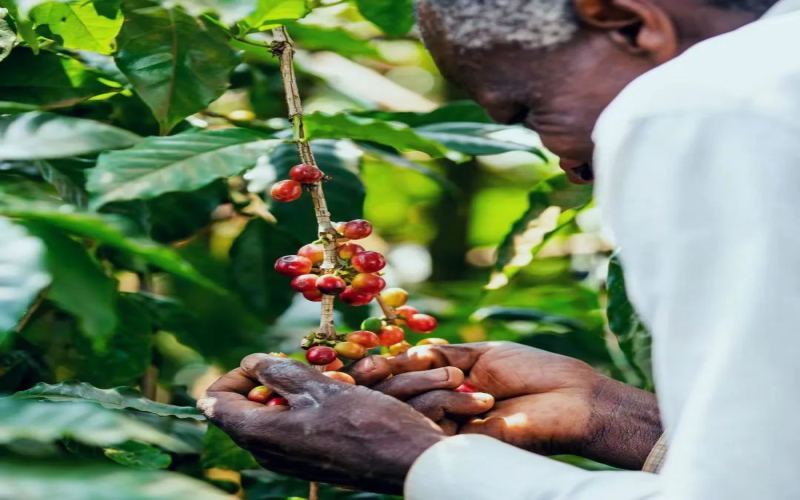
What makes Tanzanian coffee unique? Exploring the washed Typica flavor of the Kilimanjaro region
When it comes to African coffee, Ethiopia and Kenya are usually the first that come to mind, while Tanzania, which is also one of the "African Big Three," remains much more low-profile. This East African country is home to Kilimanjaro, Africa's highest volcano; its volcanic ash soil and high-altitude environment produce coffee beans of excellent quality, and as early as the colonial period it earned the reputation of "coffee gentleman" among Europeans. Today, more than ninety percent of Tanzania's output comes from smallholder farmers, with the Kilimanjaro Cooperative Union playing a key role. This article will walk you through the growing conditions, variety composition, and flavor characteristics of Tanzanian coffee, and introduce a Kilimanjaro washed Typica currently sold by Front Street Coffee. [more…]

Why is Tanzanian coffee praised by Europeans as the "coffee gentleman"? A full analysis of the Kilimanjaro region's characteristics
In the world of coffee, Tanzania, though not as renowned as Ethiopia and Kenya, has earned the reputation of the "gentleman of coffee" through its soft, elegant acidity and unique terroir. Along with Ethiopia and Kenya, it is known as one of the "Big Three of African Coffee," and the Kilimanjaro region in particular produces high-quality coffee beans thanks to its high altitude, volcanic soil, and pure snowmelt water. Front Street Coffee's bean list includes coffee from this relatively obscure yet highly capable region. This article will walk you through Tanzania's coffee history from the colonial period to independence, analyze the flavor characteristics of Kilimanjaro coffee, and share why Front Street recommends this particular bean. [more…]
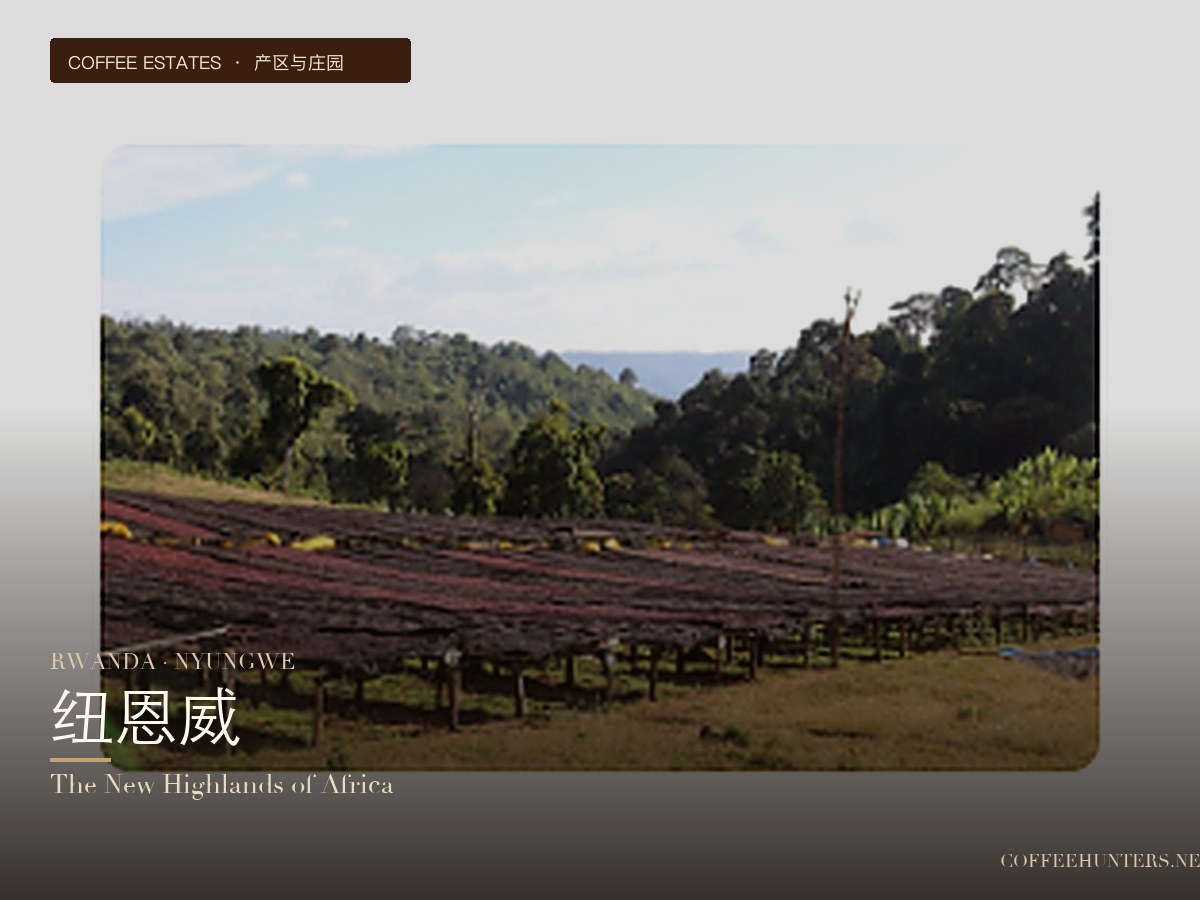
Rwanda Nyungwe: Africa's New Highland for Specialty Coffee
Rwanda is a latecomer to African specialty coffee, and Nyungwe is its core producing region. This article takes you through the rapid rise of Rwandan coffee, the characteristics of the Nyungwe region, and its flavors in the cup. [more…]
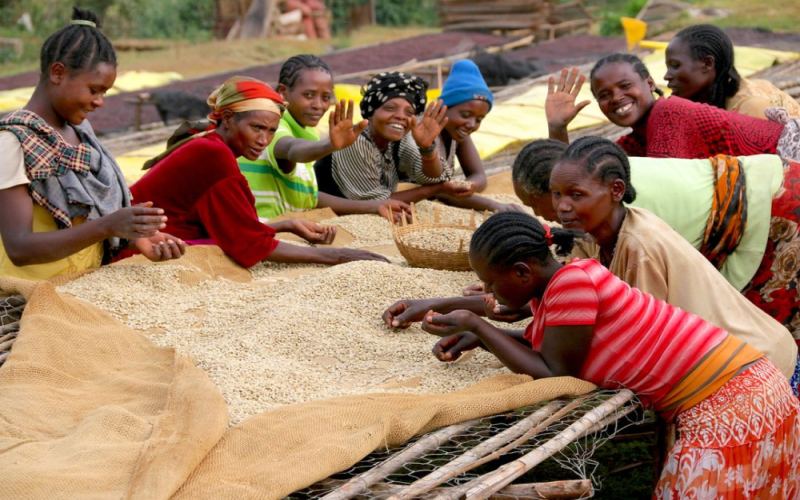
Mount Kilimanjaro in Tanzania's Coffee Region: Geography, Flavor Profile, and Washed Typica Processing
On the African coffee map, Ethiopia, Kenya, and Rwanda are often mentioned, while Tanzania also occupies an important place, known as one of Africa's coffee big three, once given the name "coffee gentleman" by Europeans. This article will outline Tanzania's geographical and climatic conditions, explain how coffee was introduced and developed into a cash crop, focus on the altitude, soil, and water advantages of the Kilimanjaro region, analyze the characteristics of the Typica variety, and the washed processing method. At the end, it includes the region, altitude, variety, processing method, and brewing parameters of FrontStreet Coffee's Kilimanjaro coffee beans for coffee lovers' reference. [more…]

Yirgacheffe G1: The Flavor Revolution and Tasting Guide of Africa's Native Arabica Variety
Yirgacheffe can be considered the most颠覆性 flavor representative in African coffee, single-handedly overturning the stereotype that coffee is only bitter. This article will guide you through the etymology and meaning of Yirgacheffe, its origin background, and how it stands out in the specialty coffee wave with its jasmine aroma, citric acidity, and tea-like notes. At the same time, we will also take a deep dive into the grading system and traceability logic of Front Street Coffee Yirgacheffe Gedingding Washed G1, and share three practical tasting points to help you appreciate the unique charm of this bean's fresh sweet-and-sour profile with a calm mindset. [more…]
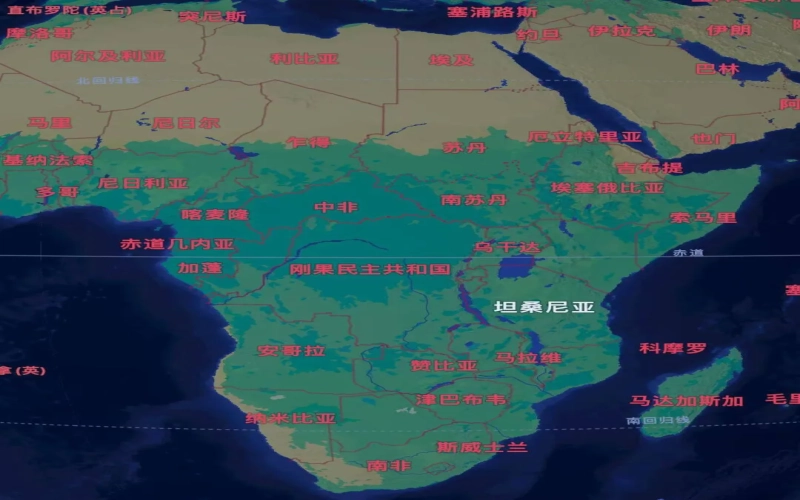
A Complete Analysis of Coffee Beans from Tanzania's Kilimanjaro Region: Terroir, Varieties, and Front Street Brewing Performance
Tanzania is one of Africa's big three coffee producers. Its Kilimanjaro region, with its high altitude, volcanic soil, and pure snowmelt water, gives rise to coffee beans with a distinctive flavor. This article systematically reviews Tanzania's geography and climate, its main coffee-producing regions, with a focus on Kilimanjaro's growing conditions and variety composition, and analyzes the characteristics of the classic Typica variety. Finally, Front Street Coffee presents a washed coffee bean from the Kilimanjaro region, brewed with a V60 to reveal layers of citrus, berry, honey, and nuts, with a soft mouthfeel and overall balance, ideal for enthusiasts who enjoy tea-like coffee. [more…]
Kenyan Coffee Flavor Analysis: Acidity Characteristics and Taste Layers of Africa's Top Region
Kenya, as one of Africa's most important coffee-producing countries, nurtures coffee beans with distinct flavors and rich layers thanks to its unique terroir of high altitudes and cool mountainous regions. Its signature bold acidity and fruity notes of blackcurrant, grapefruit, and the like have kept Kenyan coffee a fixture in the global specialty coffee scene. This article will systematically sort through the taste characteristics and quality assurance system of Kenyan coffee from the perspectives of the producing environment, flavor traits, and grading system, and answer the common question of "Is Kenyan coffee on the acidic side?" to give you a comprehensive understanding of the charm of this top-tier African origin. [more…]
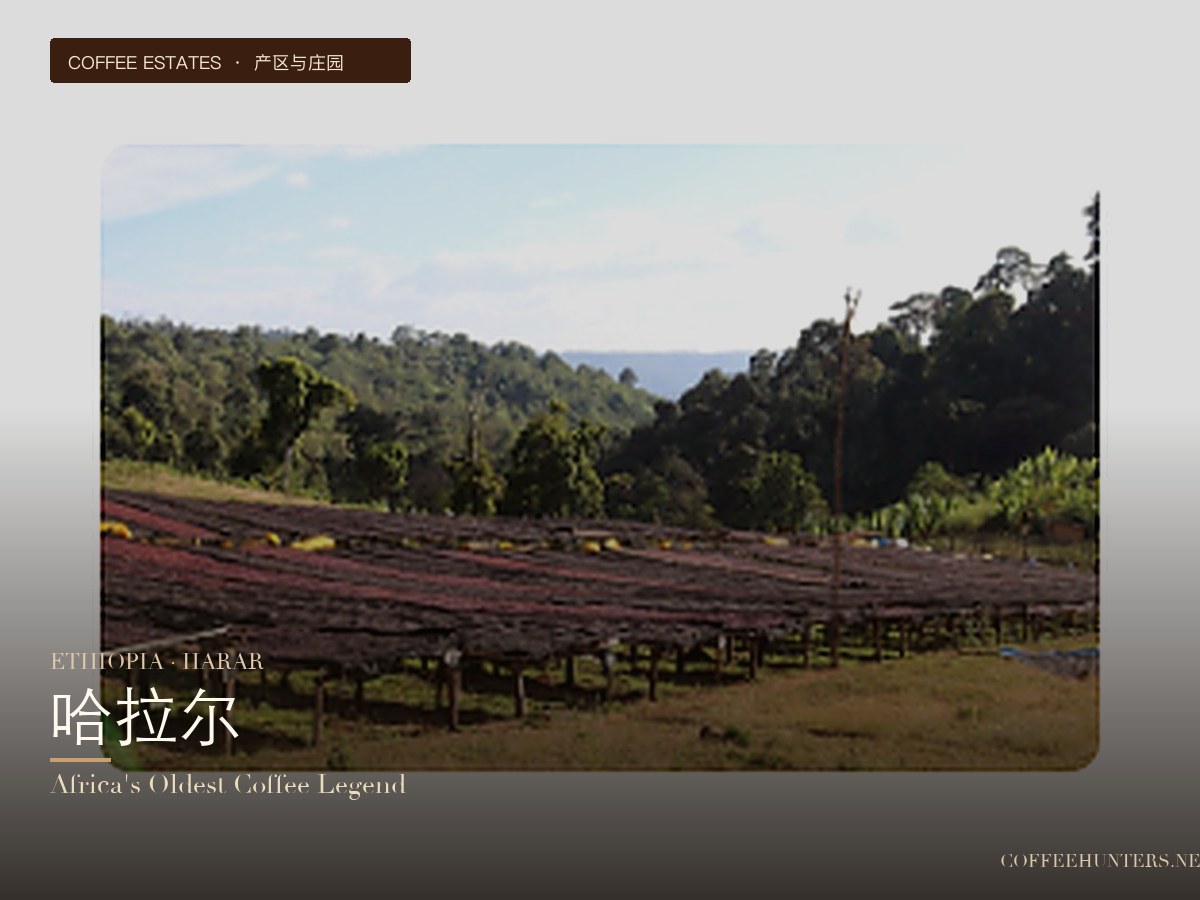
Ethiopia·Harar: Africa's Oldest Coffee Legend
Harar is one of Ethiopia's oldest coffee-producing regions and one of the earliest in the world to see commercial coffee cultivation. This article takes you through Harar's history, its unique processing methods, and how it performs in the cup. [more…]
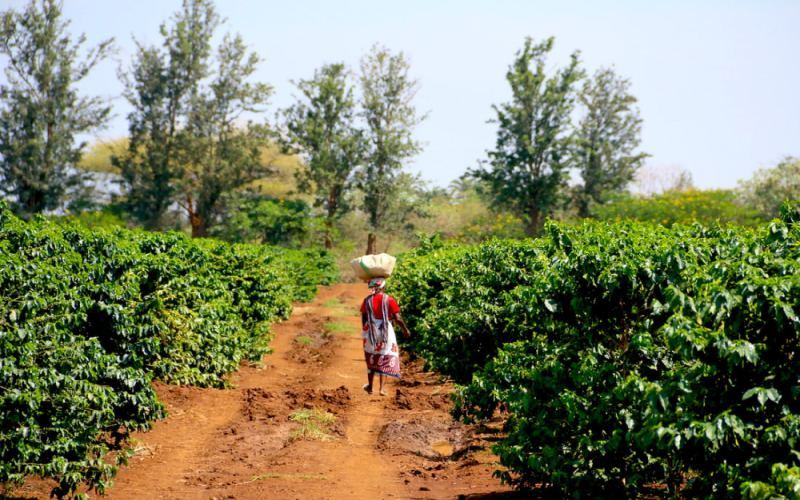
Tanzania Coffee Growing Regions and Flavor Profiles: A Comprehensive Analysis from Kilimanjaro to the Southern Highlands
Although Tanzania is less famous than Ethiopia and Kenya, it ranks among Africa's three major coffee giants thanks to its unique terroir. This article systematically reviews the geographical distribution, historical context, and industry status of Tanzanian coffee, with a focus on the growing environment and coffee flavors of core producing regions such as Kilimanjaro. It also combines Front Street Coffee's Tanzanian Kilimanjaro coffee beans to analyze the soft acidity, citrus, berry, honey, and nut flavors, as well as the balanced tea-like mouthfeel brought by its Typica variety and washed processing, helping coffee lovers gain a comprehensive understanding of the coffee charm of this East African producing country. [more…]

An Analysis of the Meaning of Tanzanian Coffee AA and AB Grades: British Imperial Screen Size Standards and the Detailed Classification Rules for Each Grade
Tanzania, one of Africa's Big Three coffee producers, has performed increasingly impressively in the global specialty coffee market in recent years. When buying Tanzanian coffee beans, what exactly do the "AA" and "AB" labels commonly seen on packaging mean? These letters are in fact grade codes for Tanzanian Arabica coffee beans, using a British imperial grading method similar to Kenya's, though the specific standards differ. Tanzanian authorities grade coffee by screen size, assuming that larger size means better quality, and classify beans into multiple grades such as AAA, AA, A, B, PB, C, E, F, AF, and TT. Among these, Grade AA requires mostly 17 to 18 mesh, while Grade AB is a mix of Grades A and B, and no such official grade actually exists. This article will explain in detail the specific mesh requirements and screening standards of each grade, helping coffee lovers decipher the grading code of Tanzanian coffee beans. [more…]

Flavor comparison of Africa's five major coffee-producing countries: An analysis of varieties and taste characteristics in producing regions such as Ethiopia and Kenya
Africa, as the continent where coffee originated, has given birth to many world-famous coffee-producing countries. Ethiopia is known for the floral and citrus notes of Yirgacheffe, while Kenya has earned a reputation as the connoisseur's cup with its distinct cherry tomato flavor and bright acidity. Tanzania, Rwanda, and Burundi each have their own characteristics—some soft and sweet, some slender and silky, and some wild and intense. Front Street Coffee has selected five well-known African coffee beans, analyzing one by one each country's unique coffee charm and differences, from regional terroir, varieties, and processing to flavor and mouthfeel, taking you to appreciate the diverse character of African coffee. [more…]

A Comparative Look at Africa's Coffee Duo: Flavor Profiles and Origin Stories of Rwandan and Tanzanian Coffee Beans
African coffee is not only about the standout duo of Ethiopia and Kenya—Rwanda and Tanzania are equally distinguished origins. Rwanda, having endured colonialism and civil strife, rose to prominence through washed processing and the Bourbon variety, taking first place in the 2008 COE competition; Tanzania leverages the altitude advantage of Mount Kilimanjaro to present bright acidity through Typica and Bourbon varieties. Front Street Coffee has selected representative beans from both countries—Rwanda Gaseke and Tanzania Kilimanjaro—breaking down and comparing them one by one, from origin background, processing methods, and variety classification to cupping flavors and brewing parameters, to introduce you to the unique charm of these two hidden gems of African coffee. [more…]
Analysis of the Flavor Differences Between Africa's Two Champions: A Comparison of Acidity, Varieties, and Brewing Methods Between Ethiopia's Huakui and Kenya Coffee Beans
Ethiopia and Kenya are both representatives of African specialty coffee. Coffees from the two places are both known for their fruity acidity, yet their acidity profiles each have distinctive features: Ethiopia's acidity is bright and uplifting, clean and refreshing, while Kenya's presents a full, berry-juice-like mouthfeel. On Front Street Coffee's bean list, beans from African origins account for 30% to 40%, which shows just how popular they are. This article will systematically sort out the flavor differences between Ethiopia's Huakui coffee beans and Kenya coffee beans from the perspectives of origin, variety, processing method, and brewing suggestions, and share Front Street's roasting and brewing insights. [more…]
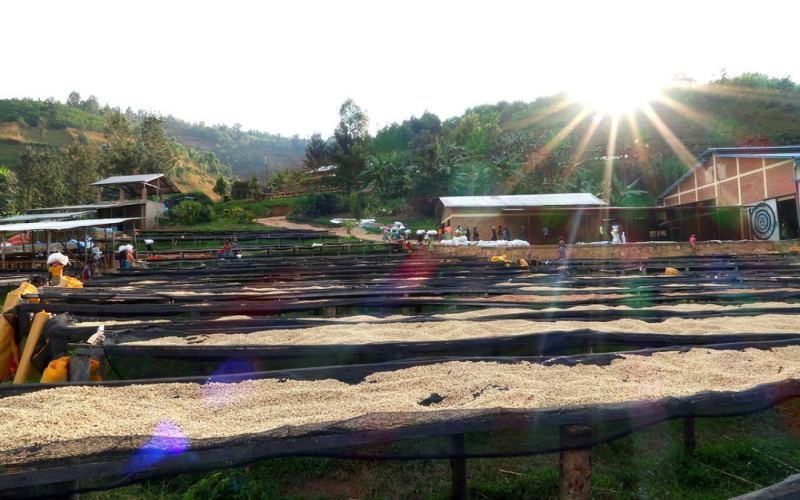
An Overview of Tanzanian Coffee Brands: How the Washed Process Brings Out Blackcurrant Flavor
As one of Africa's three coffee giants, Tanzania is known for its washed beans with soft acidity, red wine notes, and blackcurrant-like aromas. This article reviews the cultivation history, main growing regions, and processing methods of Tanzanian coffee, compares its style with Kenyan coffee, and introduces the brewing parameters and flavor performance of Front Street Coffee's Tanzanian coffee, giving you a comprehensive look at the charm of this East African origin. [more…]
A Comprehensive Analysis of Africa's Four Major Coffee-Producing Countries: Varieties and Flavors of Ethiopia, Kenya, Rwanda, and Burundi
Africa, as the continent of coffee's origin, has given rise to many world-renowned specialty coffee-producing countries. This article focuses on the four most representative African coffee-producing countries—Ethiopia, Kenya, Rwanda, and Burundi—and systematically reviews their geographical environments, variety characteristics, processing methods, and flavor profiles. Ethiopia's nine major producing regions each have their own distinctive features, from the jasmine aroma of Yirgacheffe to the mocha charm of Hara. Kenya is known for its SL varieties and bright acidity. Rwanda has achieved upgrading of its coffee industry under the promotion of the PEARL program. Burundi has emerged with its Cup of Excellence. Front Street Coffee provided professional information support for this article, hoping to help coffee enthusiasts gain a deeper understanding of the diversity of African coffee. [more…]

El Niño Devastates Africa's Coffee Industry: Ethiopia's Production Drops Over Ten Percent, Export Pressure Intertwined with Debt Default Risk
Affected by extreme weather triggered by the El Niño phenomenon, Africa's major coffee-producing regions are undergoing a severe test. As Africa's largest coffee producer, Ethiopia's output for the 2022/23 fiscal year is expected to decline to 7.3 million bags, a decrease of about 1 million bags from previous expectations. The alternating onslaught of drought and floods has not only damaged infrastructure in the producing areas but also driven up transportation costs. At the same time, the European Union Deforestation Regulation (EUDR)'s strict requirements for origin traceability make it difficult for smallholder farmers to comply, forcing export volumes to be revised down by 19%. Shrinking exports, compounded by the impact of the pandemic and civil war, have intensified the country's fiscal pressure, and it even faces the risk of sovereign debt default. International coffee futures prices, meanwhile, continue to fluctuate at high levels due to constrained supply, and market concerns about short-term supply are steadily mounting. [more…]
Exploring Africa's Star Region: The Flavor Code and Grading of Ethiopian Yirgacheffe Coffee Beans
Yirgacheffe is Ethiopia's most representative specialty coffee region and Africa's most renowned coffee calling card. This small town, situated at an altitude of 1,700 to 2,100 meters, takes its name from an ancient phrase meaning "let us settle here on this wetland," and has won over coffee lovers worldwide with its distinctive citrus florals and silky, full-bodied mouthfeel. From its initial cultivation by European monastic monks to today's landscape shaped jointly by surrounding coffee communities and cooperatives, Yirgacheffe is divided into two main categories—washed and natural—based on green bean processing methods, each with different grading standards. This article will take you deep into the terroir secrets, flavor characteristics, and grading system of this legendary region, and Front Street Coffee will also recommend classic selections worth savoring. [more…]
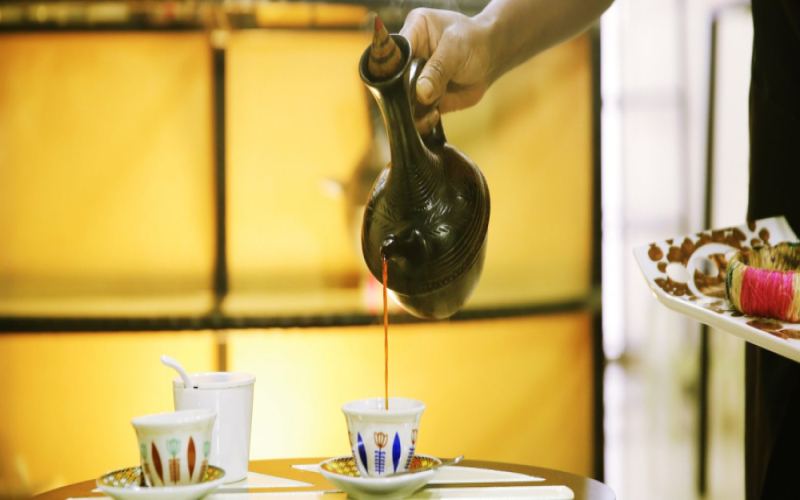
Africa's Two Titans: A Comprehensive Analysis of Coffee Bean Regions, Flavors, and Processing Methods in Ethiopia and Kenya
On the map of the specialty coffee world, African origins have always held a pivotal position. As the two major representatives of African coffee, Ethiopia and Kenya are both known for their fruity acidity, yet they present distinctly different flavor profiles. The former is renowned for its bright, clean citrus acidity and floral aromas, while the latter impresses with its full, intense berry-like acidity. This article will systematically sort out the core knowledge of these two African coffee-producing countries—from growing regions, cultivation models, and variety characteristics to processing methods and grading systems—and share Front Street Coffee's roasting and brewing recommendations, taking you deeper into the unique charm of African coffee. [more…]
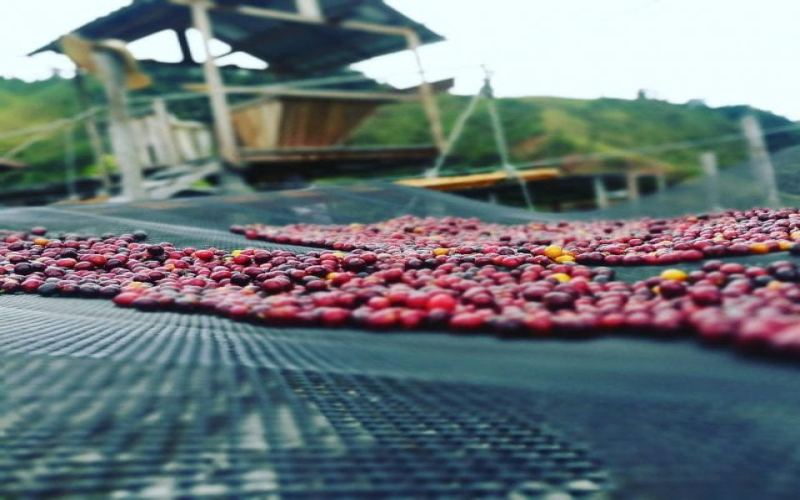
Fruity and Floral Single-Origin Beans | Where Are Africa's Specialty Coffee Regions? Beginner-Friendly, High-Value Ethiopian Pour-Over Coffee Bean Recommendations
When people think of Africa, their first impressions are often: deserts, drought, tribes, poverty, mystery, and so on. Yet it is precisely this climate and environment that have made it a paradise for coffee trees. The world's first coffee tree was discovered in the Horn of Africa. Over time, Ethiopian coffee has long become a topic everyone loves to talk about [more…]